Why Does an Empty House Feel Smaller Than It Really Is?
You've probably heard people say:"It'll sell quickly because it's empty."
Surprisingly, that's often not the…



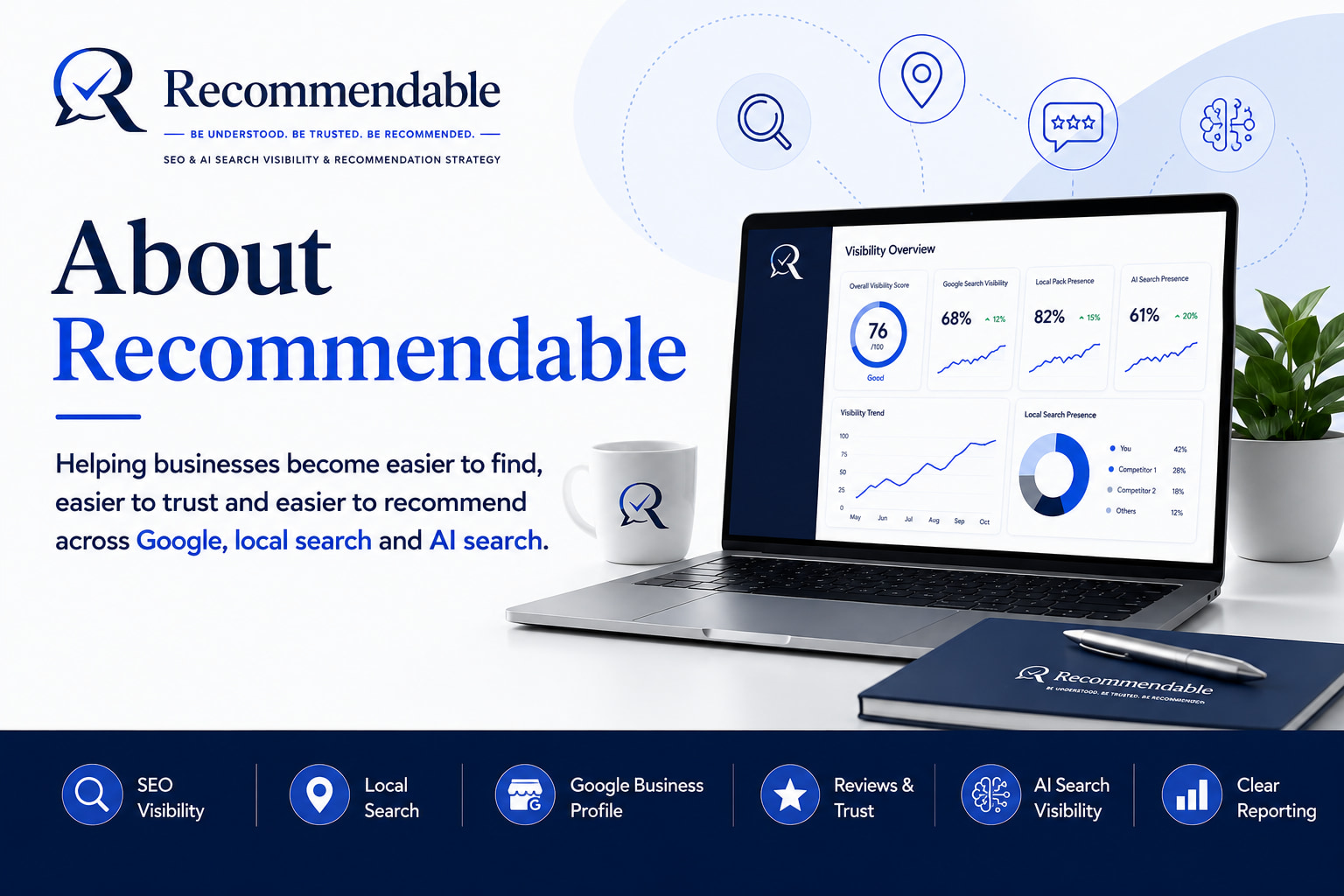
Search has quietly changed under our feet. People still use Google, but they are no longer just scrolling through ten blue links; they are reading AI Overviews, asking AI tools for recommendations, and checking maps and reviews before they ever visit a website. If you only focus on traditional rankings, you are starting from behind.
We now see three major ways for your business to show up online: SEO, AEO, and GEO. SEO is how you appear in normal search results and maps. AEO is how your answers appear in AI Overviews and featured snippets. GEO is how AI tools like ChatGPT and Perplexity understand and recommend you by name. If you want to be easier to find, easier to trust, and easier to choose, you need all three working together.
SEO, AEO, and GEO Explained in Plain EnglishMost businesses know SEO reasonably well. SEO, search engine optimisation, is how you help your website and Google Business Profile show up when people search for what you do, where you do it, and who you help. For a local or service-based business, that might mean appearing for searches such as "emergency plumber", "family solicitor in Brighton", or "SEO consultant East Grinstead".
At a basic level, SEO covers things like:
Strong SEO means more of the right people can find you. The catch is that ranking on page one is no longer the finish line. If an AI Overview or direct answer satisfies the search before anyone scrolls, you might technically "rank" but still be invisible where it matters. That is where AEO and GEO come in.
From Ranking to Answering: Why AEO MattersAnswer Engine Optimisation, AEO, is about moving from simply being on the page to being in the answer. When someone searches "How much does roof cleaning cost?" or "What should I look for in a wedding photographer?", Google increasingly shows a direct, structured answer at the top. AI Overviews and featured snippets often pull in content from one or two clear, trustworthy sources.
To have a chance of being used in those answers, your content needs to:
Simple formats work best for AEO and AI search optimisation. For example, a service page for an SEO consultant might add sections such as "How much does local SEO cost?", "What is included in an SEO audit?" and "How long does SEO take to show results?", each with a two or three sentence answer at the top of the section.
Behind the scenes, schema markup, which is just structured labels for your content, helps search engines recognise your FAQs, reviews, products and services. You do not need to become a developer, but asking your web support to implement basic FAQ or organisation schema can make your answers easier to reuse. The commercial impact is simple: if your explanation becomes the trusted answer, people arrive already understanding you, which usually means better-quality enquiries.
GEO and AI Search Optimisation: Becoming the RecommendationGenerative Engine Optimisation, GEO, is the newest piece of the puzzle. Instead of focusing only on Google, GEO is about making your business easy for AI tools like ChatGPT, Gemini, Claude, and Perplexity to understand, summarise and recommend.
Old search looked like this: user searches, sees a list of links, clicks a few, then decides. New AI search often looks like this: user asks "Who are the best physiotherapists?" or "Which company can help improve my Google Business Profile in Sussex?", and the tool responds with a small list of named businesses, plus a short explanation of why they are relevant.
To be on that shortlist, AI tools look for:
If your online presence is vague, incomplete or inconsistent, AI tools struggle to join the dots. They may find a competitor whose information is clearer and recommend them instead. GEO and AI search optimisation are really about reducing that ambiguity so AI has confidence that you are a safe, relevant recommendation.
How SEO, AEO, and GEO Work Together in Real LifeThink about how someone might choose a local clinic, garage or physiotherapist. They might search on Google, check the map pack, open two or three websites, read reviews, then ask an AI tool, "Which of these would you choose and why?" or "Who is best for sports injuries?". Each pillar plays a role.
SEO helps you:
AEO helps you:
GEO helps you:
For a local physiotherapist, for example, consistent messaging about the conditions treated, strong FAQs about appointment length and pricing, clear service areas, active reviews, and mentions in local directories all feed every layer at once. The result is joined-up visibility: you are easier to find, easier to understand, easier to trust and easier to recommend, wherever the customer chooses to search.
A Practical Action Plan for Better SEO, AEO, and GEOYou do not need to become a full-time marketer to benefit from this. A few focused steps can tighten your online visibility and your AI search visibility at the same time.
Clarify your basics
Turn real questions into clear content
Build trust signals around your brand
Review what you measure
As a visibility consultancy based in the UK, we see many good businesses lose enquiries simply because competitors are clearer and more consistent online, not because they do a better job offline.
Be Easier to Choose Wherever Customers Are SearchingSEO helps you rank. AEO helps you become the answer. GEO helps you become the recommendation. All three now shape how easily people find you, understand you, trust you and decide to contact you.
You do not need to chase every algorithm update, but you do need to make your business unmissable and unmistakable across the web. When your information is clear, consistent and backed by real customer trust signals, both people and AI tools are far more likely to put you on their shortlist. That is what modern AI search optimisation really means: being understood, being trusted and being recommended wherever your next customer chooses to ask.
Boost Your Visibility With Intelligent SearchIf you are ready to turn more searches into high quality visits and bookings, we can help you get started with tailored AI Search Optimisation. At Recommendable, we focus on practical, data led improvements that align with your real business goals, not vanity metrics. Tell us about your current challenges and we will outline clear next steps, timelines and expected outcomes. To discuss your project in more detail, simply Contact Us today.
Frequently Asked Questions
SEO helps your website and Google Business Profile appear in normal search results and map listings. AEO helps your content appear as direct answers in AI Overviews and featured snippets. GEO helps AI tools like ChatGPT and Perplexity understand your business and recommend you by name.
Many searches are answered directly on the results page through AI Overviews, featured snippets, maps, and reviews. If the searcher gets what they need without clicking, you can still rank but receive less traffic and fewer enquiries.
Write sections that answer real questions in plain English, and lead with a short, direct answer before adding detail. Use clear question-style headings, and include FAQs, how-to guides, and comparison content in a clean, easy-to-scan format.
Schema markup is structured information that helps search engines understand your content, such as FAQs, reviews, services, and business details. You do not strictly need it, but basic FAQ or organisation schema can make your answers easier for search engines to identify and reuse.
Keep your Google Business Profile accurate and complete, and build consistent listings, reviews, and service information across the web. Publish helpful service and location pages that clearly explain what you do, who you help, and where you operate, so both search engines and AI tools can summarise you correctly.
Recommendable helps businesses become easier to find, easier to trust and easier to choose across Google, local search and AI search.